
No Rules II: Tempo
Part 2 of 3 in Union Brief's No Rules Warfare Series

In No Rules I, we defined modern conflict as multidimensional, complex, and somewhat unceasing. With blurry boundaries and lack of a clear stop and start, one would assume No Rules warfare can quickly spiral out of control. This is where tempo comes in.
In an environment without rules, tempo—speed of observation, orientation, decision, and action—becomes the primary advantage. The side that cycles faster controls the escalation ladder.
Climbing the Escalation Ladder
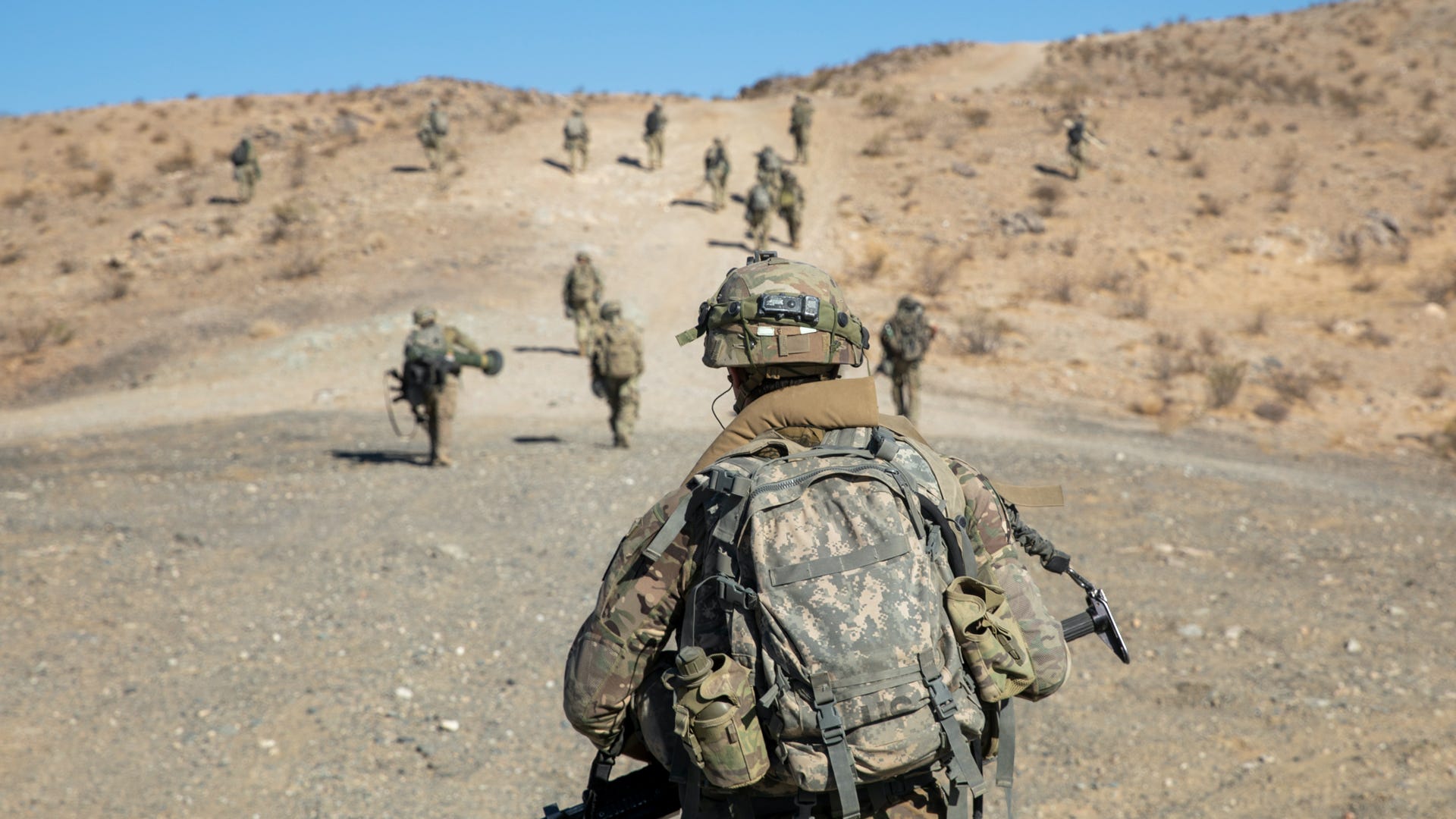
No escalatory act has been as pronounced as when we dropped nuclear bombs in WWII. In a conflict defined by constant escalations such as blitzkrieg tactics, kamikaze pilots, and firebombing of civilian areas, the nuclear bomb provided the United States with an asymmetric advantage nobody had seen before. This escalation ended the war.
Since nuclear bombs came on the table as a potential option, escalation ladders have been modeled by many people hoping to map how close we are to nuclear warfare (and potentially provide an off-ramp). The most famous model appeared in the Cold War: Herman Kahn’s ladder of escalation. The 1965 model of 44 steps, as refined from the original 16 in 1962, are laid out below and categorized further in Prospect Magazine:
Ostensible Crisis
Political, Economic and Diplomatic Gestures
Solemn and Formal Declarations
Hardening of Positions – Confrontation of Wills
Show of Force
Significant Mobilization
“Legal” Harassment – Retortions
Harassing Acts of Violence
Dramatic Military Confrontations
Provocative Breaking off of Diplomatic Relations
Super-Ready Status
Large Conventional War (or Actions)
Large Compound Escalation
Declaration of Limited Conventional War
Barely Nuclear War
Nuclear “Ultimatums”
Limited Evacuations (20%)
Spectacular Show or Demonstration of Force
“Justifiable” Counterforce Attack
“Peaceful” World-Wide Embargo or Blockade
Local Nuclear War – Exemplary
Declaration of Limited Nuclear War
Local Nuclear War – Military
Unusual, Provocative and Significant Countermeasures
Evacuation (70%)
Demonstration Attack on Zone of Interior
Exemplary Attack on Military
Exemplary Attacks Against Property
Exemplary Attacks on Population
Complete Evacuation (95%)
Reciprocal Reprisals
Formal Declaration of “General” War
Slow-Motion Counter-”Property” War
Slow-Motion Counterforce War
Constrained Force-Reduction Salvo
Constrained Disarming Attack
Counterforce-with-Avoidance Attack
Unmodified Counterforce Attack
Slow-Motion Countercity war
Countervalue Salvo
Augmented Disarming Attack
Civilian Devastation Attack
Controlled General War
Spasm/Insensate War
It’s less important to focus on each individual step for this analysis, since this framework was created for the Cold War rather than modern conflict. In modern “mosaic warfare”, a DARPA concept for dynamic, adaptive multi-domain operations, an escalation ladder is less clear. We can’t go from an assassination to boots on the ground to tanks to targeted bombings anymore in No Rules warfare—it’s simply too multidimensional.
What kind of escalation is logical for a cyberattack on critical infrastructure? If a second-order consequence is civilian death, do we respond by bombing a city in the perpetrator’s country? Is that an eye-for-an-eye response? It’s easy to see how rungs in the escalation ladder are skipped, especially in the event of economic catastrophe for the target country. We effectively skip to rung 20 if that happens, bypassing nearly half the ladder without kinetics and putting us on a crash course for nuclear warfare.
It’s no longer an escalation ladder but rather an escalation web, and if each step can only be matched or exceeded in an escalating war, the most important factor in avoiding catastrophic outcomes becomes tempo.
Tempo as the Decisive Factor
Tempo—the speed at which actors observe, orient, decide, and act across all domains—determines who controls escalation in No Rules warfare. John Boyd’s OODA (Observe, Orient, Decide, Act) loop remains the core model, but in today’s environment the decisive edge comes from cycling through it faster than the opponent.
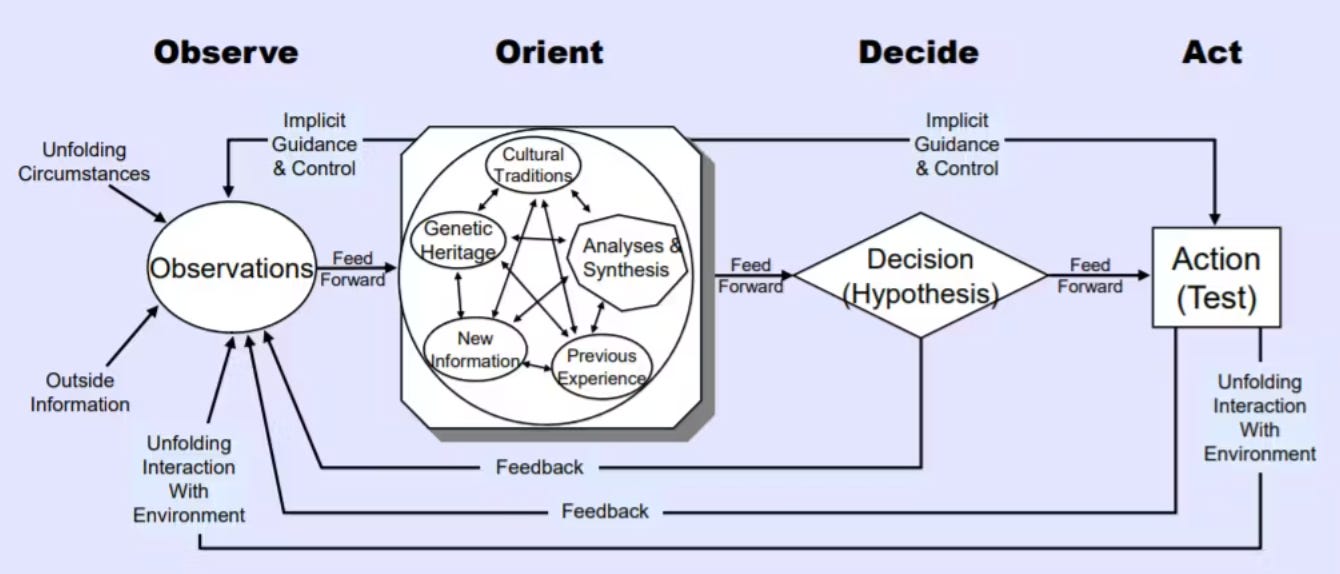
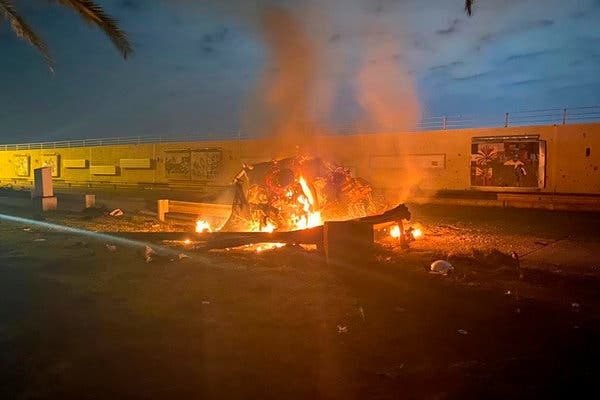
Quick decision-making is crucial to tempo control in an environment where the traditional escalation ladder applies less. Tempo can serve as a deterrent to further escalation by sending a message (e.g., the 2020 US assassination of Qasem Soleimani disrupted Iranian planning without triggering full war), but it can also accelerate spirals by forcing ever-quicker responses from both sides.
The double-edged sword of tempo must be examined on a conflict-by-conflict basis as outcomes depend on power symmetry. In asymmetric conflicts, the stronger actor exploits tempo gaps and technological, military, or economic superiority allows it to operate inside the opponent’s decision cycle, paralyzing slower adversaries.
In peer conflicts between roughly congruent powers (e.g., the US and China), both sides can match tempo, making rapid action a prerequisite rather than an advantage. Here, tempo control means deliberate pacing to avoid uncontrolled climbs up the escalation web. Public kinetic strikes are avoided because they invite retaliation and rapid escalation. Instead, competition shifts to non-kinetic domains or proxies—economic measures, alliances, cyber operations, or indirect actions in third countries (e.g., countering Chinese and Russian influence in Latin America).
Tempo in Action
Russia vs Ukraine & NATO
Russia employs a dual-tempo strategy: deliberate attrition on the kinetic front against Ukraine and rapid hybrid operations against NATO allies to disrupt support.
In Ukraine, Russia employs more of a slow-burn tempo, focusing on attrition warfare because of its asymmetric military capacity. This approach compresses Ukrainian decision cycles and focuses them on defense without risking a rapid breakthrough that could provoke direct NATO intervention.
Against NATO, Russia accelerates non-kinetic tempo via alleged sabotage and cyberattacks. Examples include the November 2025 explosion on a Polish railway line (used for Ukraine aid transit), attributed by Warsaw to Russian intelligence via proxies, and suspected disruptions to Baltic undersea cables. These deniable actions force allies into prolonged attribution and coalition responses, slowing logistics and decision-making. Sanctions evasion relies on high-tempo adaptation such as rerouted oil exports to China, India, and Turkey. Use of “shadow tankers”, covert tankers using fake flags/IDs/etc., has proven effective for Russia to bypass regulations as well.
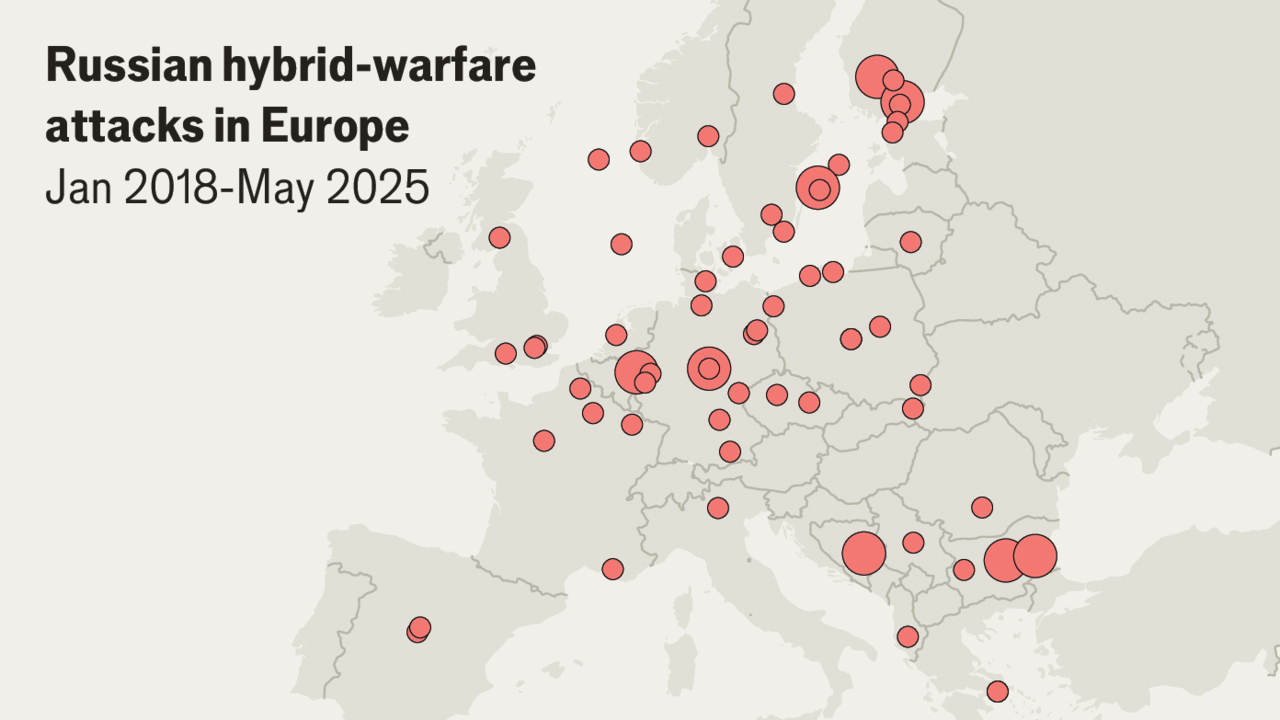
In a No Rules environment, contingency planning prevents tempo disruptions, allowing Russia to operate inside fragmented Western OODA loops while prolonging the stalemate.
Israel vs Iran
Israel maintains tempo advantage in this conflict with high-tempo precision, most noticeably in Operation Grim Beeper. In the operation, Hezbollah leadership was disrupted, destroying decision-making abilities within that group. Iran is now forced to respond slowly via proxies, allowing Israel to reset OODA cycles much faster.

The 2020 US assassination of Qasem Soleimani exemplifies rapid tempo signaling: a precise drone strike disrupted IRGC operations without full war, underscoring US capabilities exceeding Iran’s across domains.
From Iran’s perspective, direct confrontation with Israel provokes high-tempo US responses. In the 12-Day War, the US became involved a little over a week into the conflict, bombing nuclear facilities. While Iran retaliated via bombing US airbases, they gave warning and peace was brokered soon after—clearly a face-saving operation from their side. This gives Israel an asymmetric advantage in how they are able to respond militarily.
Another source of asymmetry is Israel’s superior technological and intelligence capabilities. Through their own covert operations and partnerships with companies such as Palantir, they’re at the cutting edge for military operations and intel (e.g., AI targeting). This allows them to control the escalation web in said domains and potentially deters Iran from striking directly. Intelligence and technological superiority grants Israel preemptive escalation control, a huge advantage in No Rules warfare.
China vs Taiwan
China maintains sustained gray-zone tempo with frequent ADIZ incursions and suspected cable cuts, forcing Taiwan to maintain a defense posture and, in many ways, locking them into the observation phase of the OODA cycle. This is a clear trend among great powers in asymmetric conflicts: lock your rival in the decision cycle so much that they are indecisive. One could even refer to this tactic as a non-militaristic blitzkrieg. US intervention is deemed necessary for this exact reason—to eliminate the asymmetry.
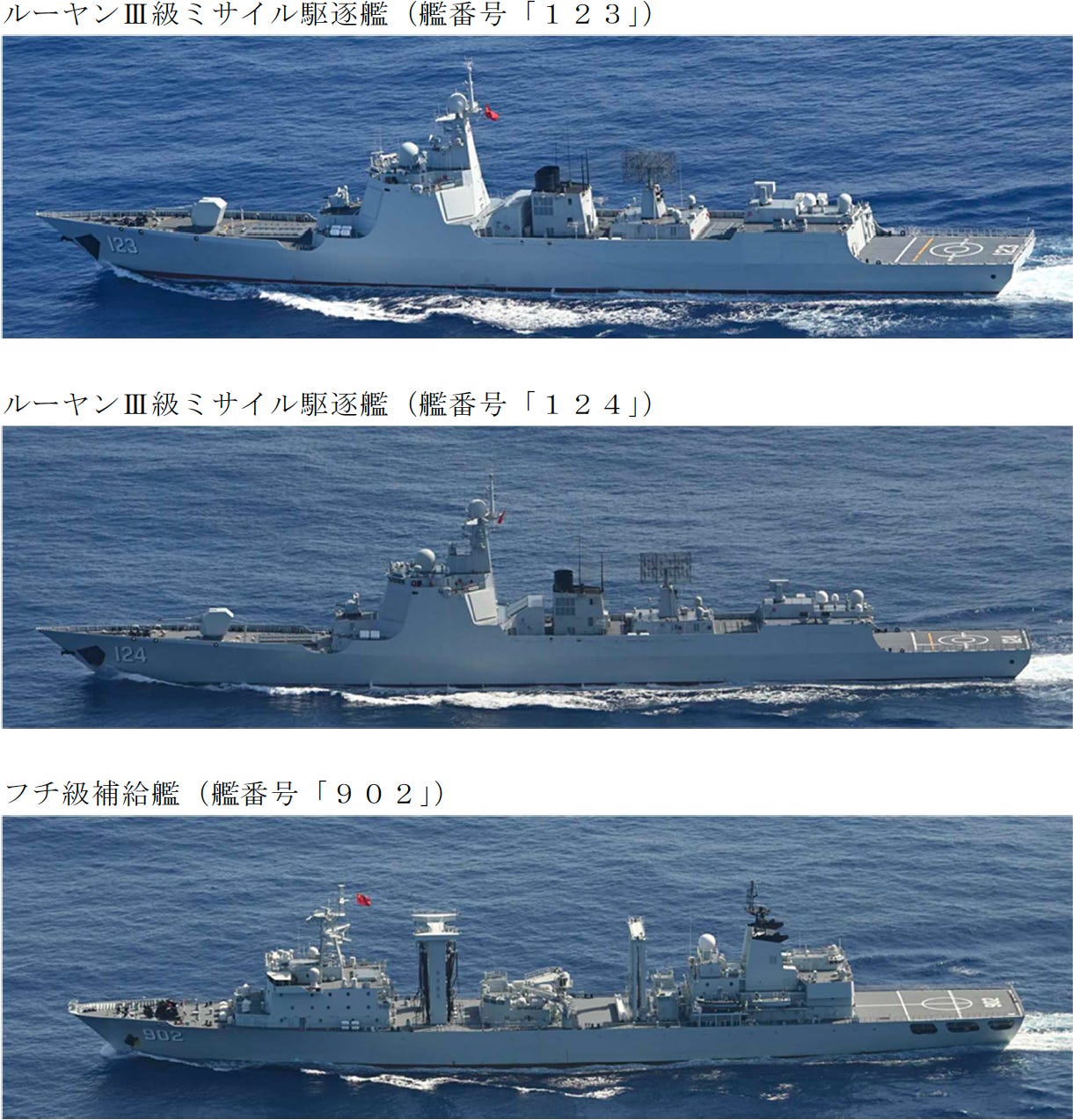
Without the US to counteract China’s tempo, Taiwan wouldn’t be able to keep up, giving China complete control of the escalation web. In the current environment, the US seeks to avoid military intervention through diplomacy—something Taiwan would be incapable of on its own. Chinese probing of tempo gaps is countered by US alliances in AUKUS and calls for intelligence-sharing between Taiwan and allies.
This slows tempo and allows for a more manageable and reasonable escalation buildup even if many feel we’re risking hot war. Both China and the United States appear to be in control of the escalation web—it would take one of them climbing to provoke a response from the other. In a purely China vs Taiwan war, China would be able to escalate unanswered with quick tempo.
Tempo: The Core of No Rules Warfare
In the No Rules era of conflict, tempo has emerged as the decisive factor across domains. The actor that cycles fastest—observing, orienting, deciding, and acting—controls the escalation web, compressing adversaries into paralysis.
Russia employs a dual-tempo strategy across multiple domains, allowing for a slow-burn in the hot war against Ukraine. Israel exploits asymmetric precision to reset Iranian cycles repeatedly. China sustains gray-zone pressure to erode Taiwanese resolve without major kinetics, balanced only by deliberate US pacing in peer competition.
Victory no longer requires battlefield annihilation. It belongs to those who impose or manage tempo effectively: accelerating inside the opponent’s OODA loop when advantageous, slowing to avoid catastrophe when symmetry demands restraint.
In No Rules conflict, the side that masters decision speed prevails.